
Author: Tipsy Batta
Estimated Read Time: 5 minutes
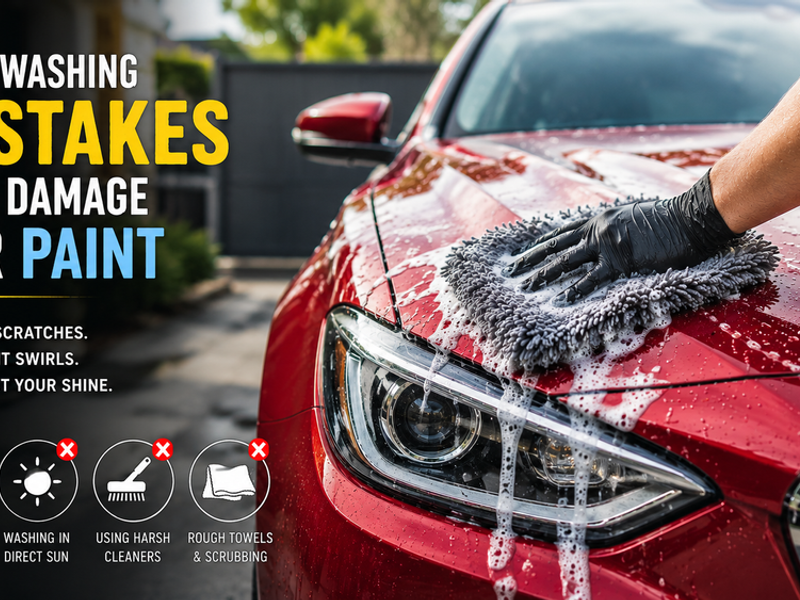
Hand washing is one of the safest ways to clean your vehicle—but only when it is executed with the proper technique. The unfortunate reality is that many well-meaning car owners unintentionally inflict severe damage on their clear coat while trying to do the right thing. Utilizing a dirty sponge, washing panels in the wrong order, using a harsh bath towel, or scrubbing under direct sunlight can leave behind permanent swirl marks, deep micro-scratches, stubborn water spots, and dull-looking paintwork.
The good news? The vast majority of paint damage caused by improper hand washing is entirely avoidable. As professional detailers at Gleamoo, we see these exact maintenance errors all the time across Sydney. Vehicles are constantly subjected to abrasive road film, fine dust, coastal salt air, acidic bird droppings, and intense UV radiation. This guide will reveal the critical hand washing mistakes you must avoid and show you exactly how to safely wash your car at home like a professional.
Can hand washing damage your car's paint? Yes, hand washing will damage your car's paint if you use a single wash bucket, skip the pre-rinse phase, wash in direct sunlight, or clean with abrasive household detergents like dish soap. Without proper lubrication, a two-bucket system, and clean microfiber mitts, physical contact washing will grind surface grit directly into the clear coat, creating micro-scratches known as swirl marks.
Why Improper Hand Washing Can Still Damage Paint
A proper hand wash is gentle, controlled, lubricated, and paint-safe. Conversely, a poor hand wash is essentially an exercise in dragging abrasive road grit across your vehicle's delicate clear coat.
Your car's clear coat is the transparent, protective top layer that seals and shields the paint color beneath it. When sand, fine grit, or metallic traffic film gets trapped against a wash sponge and rubbed into that surface, it scores thousands of microscopic scratches. Over time, these micro-scratches accumulate into visible, web-like swirl marks that ruin the paint's reflectivity and dull its shine under sunlight.
This is why your specific cleaning technique and tools matter immensely. If you want a deeper breakdown of why careful manual decontamination safeguards your vehicle better than mechanical systems, you can read Gleamoo’s guide on Why Hand Washing is Still the Safest Car Wash Choice. You may also find our Ultimate Hand Car Wash Guide for Every Vehicle Owner helpful if you want a complete, step-by-step masterclass on optimal vehicle upkeep.
Common Hand Washing Mistakes That Damage Paint
1. Washing Without a Thorough Exterior Pre-Rinse
One of the most destructive mistakes is touching the paint with a wash mitt before removing loose surface dirt. If your car is coated in a layer of ambient dust or road grime, wiping it down straight away will grind those loose particles directly into the clear coat. Always perform a comprehensive pre-rinse first. A proper high-pressure pre-rinse softens, loosens, and flushes away heavy, abrasive surface contamination before your wash mitt ever makes physical contact with the vehicle.
2. Utilizing Only One Wash Bucket
Using a single bucket for your car wash is an immediate recipe for swirl marks. As you wipe the car, your mitt picks up dirt and grit. If you dip that contaminated mitt back into a single bucket, you release that grit directly into your soapy water, picking it right back up and grinding it across the next panel. A much safer approach is the professional two-bucket wash method: dedicate one bucket exclusively for your soapy car shampoo solution, and fill a second bucket with clean water solely for rinsing out the dirty wash mitt before reloading it with fresh soap.
3. Cleaning With Dish Soap or Harsh Household Cleaners
Dish soap is formulated to aggressively strip heavy grease, oils, and baked-on food from cookware. When applied to automotive surfaces, it acts as a harsh chemical stripper that breaks down defensive waxes, degrades paint sealants, reduces clear coat gloss, and aggressively dries out delicate rubber weatherstripping and plastic trims. Always use a dedicated, pH-balanced automotive shampoo. Quality car soaps are engineered with high-lubricity polymers that help your wash mitt glide smoothly across the paint instead of dragging grit against it.
4. Washing Panels Under Direct, Blistering Sunlight
The intense Australian sun can heat up vehicle panels rapidly, causing your car shampoo and rinse water to flash-dry within seconds. When soapy residue and tap water evaporate on hot paint, they leave behind stubborn white chemical streaks and severe mineral water spots that can etch permanently into the clear coat. Always wash your vehicle in complete shade—such as a covered carport or garage—or schedule your maintenance clean during the early morning or late afternoon when panels are cool to the touch.
5. Aggressively Scrubbing the Paint Instead of Gliding
When stubborn contaminants like dried bug splatters, tree sap, or bird droppings do not wash away easily, many DIYers make the mistake of pressing down harder and scrubbing aggressively. This concentrated physical pressure is exactly how deep scratches are created. Paint-safe detailing relies entirely on chemical lubrication, patience, and light, linear motions. Hardened, bonded contamination requires dedicated chemical softeners or mechanical clay bars rather than aggressive friction. If your vehicle's paintwork has become heavily contaminated, a basic maintenance wash is no longer safe or sufficient; instead, a professional full detail is required. Our guide on The Ultimate Guide to Full Car Detailing Done Right explains when a deeper decontamination process is necessary to protect your investment.
6. Drying the Paint With Old Towels or Household Bath Towels
The drying phase is where a massive percentage of wash scratches are introduced. Rough household bath towels, old leather chamois, or dirty, stiff microfiber cloths act like abrasives on a clear coat. To protect your shine, always use clean, ultra-soft, high-GSM microfiber drying towels. Instead of scrubbing the paint dry, gently pat the surface or lightly draw the plush towel across the panels with minimal downward pressure.
7. Washing the Car From Bottom to Top
The lowest sections of your vehicle—including the rocker panels, side skirts, and lower bumper edges—are universally the filthiest zones because they constantly collect metallic brake dust, heavy mud, road tar, and oily tyre sling. If you wash the bottom of the car first, your wash mitt will become instantly loaded with harsh, sharp grit. Moving that contaminated mitt up to the cleaner upper panels will cause massive scratching. Always wash from top to bottom, starting with the roof and glass, and saving the filthy lower sections, wheels, and tyres for the absolute end of the process.
Local Detailer Insights: The Impact of the Sydney Environment
As mobile detailing professionals working across Sydney, one of the most recurring paint defects we encounter is scratching caused by dry wiping or poor washing habits on vehicles parked outdoors for extended periods. Suburbs near busy main roads, active construction corridors, coastal beaches, and open-air apartment complexes create a unique, sticky cocktail of fine industrial dust, corrosive salt air, and traffic film.
Even if a vehicle does not look heavily soiled from a distance, that fine, electrostatic layer of environmental dust is incredibly abrasive. Wiping a dusty panel with a wet rag or an old sponge without a thorough high-pressure pre-rinse and a lubricated car shampoo will instantly mar the clear coat. Regular, safe washing habits on a structured timeline are essential for preserving automotive finishes in this climate.
DIY Safe Hand Wash: Step-by-Step Practical Guide
Necessary Tools and Materials
-
Two clean, dedicated 15-litre buckets (ideally fitted with grit guards)
-
A premium, pH-balanced automotive car shampoo
-
A plush, high-quality microfiber wash mitt
-
Thick, high-GSM microfiber drying towels
-
A dedicated wheel brush and a separate wheel wash mitt
-
A high-pressure washer or a garden hose with a multi-stream nozzle
-
A completely shaded wash area
Estimated Time Commitment
A safe, paint-conscious hand wash generally takes between 45 to 60 minutes, depending on the physical size of the vehicle and its baseline level of dirt.
Safe Sequence to Follow
-
Cool the Panels: Park the vehicle in complete shade and allow all body panels, wheels, and brakes to cool down entirely to the touch.
-
Execute an Initial Pre-Rinse: Thoroughly rinse the entire vehicle using a high-pressure hose, starting from the roof and working down to flush away loose dust, leaves, and surface sand.
-
Clean Wheels and Tyres First: Clean the wheels, tyres, and inner arches first using dedicated wheel brushes and a separate wheel bucket. Never use your paintwork wash mitt on the wheels, as brake dust is highly abrasive.
-
Set Up Your Two-Bucket System: Fill one bucket with fresh water and the recommended amount of pH-balanced car shampoo. Fill the second bucket with pure, clean water to act as your dedicated mitt-rinse bucket.
-
Wash From Top to Bottom: Submerge your microfiber wash mitt in the soapy bucket and wash the car from top to bottom in straight, gentle lines. Never wash in circular motions, as circles trap grit and create classic spiderweb swirl marks.
-
Rinse Your Mitt Frequently: After completing a single panel or section, thoroughly agitate your dirty wash mitt inside the clean rinse-water bucket to release trapped dirt before dipping it back into your clean shampoo bucket.
-
Manage Stubborn Spots with Care: Do not scrub bird droppings or bug splatters aggressively. Let your lubricated car shampoo dwell on the spot briefly to soften the contaminant, then rinse away gently.
-
Perform a Final Flush: Rinse the entire vehicle meticulously from the top down, making sure all soap residue is completely purged from door handles, badges, mirrors, and panel gaps.
-
Dry Immediately: Dry the vehicle immediately using clean, plush microfiber drying towels to prevent tap water minerals from evaporating into permanent water spots.
-
Conduct a Final Inspection: Inspect the clean, dry paintwork under natural, indirect light to check for any missed spots or areas requiring paint correction.
For a comprehensive breakdown of the exact professional sequence and why it works, review Gleamoo’s master guide on The Ultimate Guide to Washing a Car in the Right Order.
Detailing Pro-Tip: Total Tool Segregation
To permanently eliminate wash-induced scratches, you must strictly segregate your washing and drying tools. Never use the exact same microfiber towel or mitt for your wheels, lower rocker panels, and upper paintwork. Brake dust, heavy road tar, and lower-body road grime are exponentially harsher than ambient roof dust. Keep separate, clearly color-coded towels and mitts dedicated solely to paint, glass, wheels, and inner door jambs. This single detailer habit will prevent cross-contamination and preserve your clear coat for years.
If your vehicle is protected by a premium wax, paint sealant, or a liquid glass shield, gentle hand washing becomes even more critical. Harsh washing habits and aggressive chemicals will rapidly degrade these defensive coatings. You can dive deeper into how these protective layers behave by exploring our educational guides on Ceramic Coating Confusing? Here’s How It Really Works and our side-by-side Ceramic Coating vs Wax Guide.
When a DIY Hand Wash Is No Longer Enough
While routine DIY hand washing is fantastic for regular maintenance, a standard wash cannot fix paintwork that already suffers from heavy swirl marks, baked-on mineral water spots, oxidation, or deep, bonded contaminants like industrial fallout or tree sap rail dust. Attempting to aggressively scrub these defects away at home will only worsen the paint damage.
This is where professional expertise serves as your ultimate safety net. A certified detailing technician can accurately assess your clear coat's thickness and health, determining whether the surface requires chemical decontamination, professional machine polishing, or advanced paint correction. If you are debating between a low-moisture technique or a traditional water-based sequence for your current living situation, consulting Gleamoo’s Guide on Waterless vs Hand Car Wash: Which Protects Your Paint will provide clear direction.
Professional Assistance & Call to Action
If you want a spotlessly clean, fully decontaminated, and beautiful showroom finish without the physical labor, weekend stress, or the risk of scratching your paint, the team at Gleamoo is here to help. For a safe, highly controlled, and paint-friendly maintenance clean right in your own driveway, our premium mobile service is the perfect choice:
If your paintwork already looks dull, exhibits heavy swirl marks under sunlight, or feels rough to the touch, your vehicle requires a deeper level of restorative care. Give your car the ultimate interior and exterior reset by booking our comprehensive package:
To discover more about our scratch-free washing protocols, convenient mobile booking options, and our commitment to automotive preservation across Australia, visit our official Gleamoo About Us page.
Frequently Asked Questions
Can hand washing scratch my car's paintwork?
Yes, hand washing can absolutely scratch your car if it is done incorrectly. The primary catalysts for wash-induced scratches are using dirty sponges, failing to pre-rinse heavy grit, utilizing a single wash bucket, drying with rough towels, and applying too much downward physical pressure. When practiced with clean microfiber tools and a proper two-bucket system, hand washing is incredibly safe.
Is it safe to wash my car with everyday dishwashing liquid?
No, you should never wash a vehicle with dish soap. Dishwashing liquids are chemically engineered to strip heavy fats and grease, meaning they will instantly strip away your car's defensive wax or sealant coatings, dull the clear coat's gloss, and dry out rubber window seals and exterior plastic trims until they become brittle. Always use a dedicated, pH-balanced automotive shampoo.
How often should I hand wash my car to prevent paint damage?
For most vehicles driven regularly, a thorough hand wash every one to two weeks is ideal to keep contaminants from bonding to the paintwork. If your vehicle is frequently exposed to highly corrosive materials like bird droppings, bat droppings, fresh tree sap, coastal sea salt, or industrial construction dust, it should be washed even more frequently. To build the ultimate routine, read more in Gleamoo’s Expert Guide on How Often You Should Wash Your Car.
About the Author
Tipsy Batta from Team Gleamoo is deeply passionate about empowering Australian car owners with safer, smarter, and highly practical vehicle detailing habits. Leveraging extensive hands-on experience across daily family commuters, rugged off-road vehicles, and high-value luxury cars, Tipsy focuses on delivering honest, actionable advice that helps drivers maintain a flawless showroom shine while completely eliminating unnecessary risks to their clear coat.