
Author: Tipsy Batta
Estimated Read Time: 4 minutes
Electric vehicles (EVs) are smooth, quiet, and packed with cutting-edge technology—but when it comes to cosmetic maintenance, they require a fundamentally different approach than conventional cars. From high-voltage charging ports and exposed cameras to massive center touchscreens, sweeping glass roofs, and delicate synthetic interior textiles, a single incorrect product or high-pressure washing mistake can cause severe, costly damage.
The good news? Keeping an electric car in showroom condition doesn't have to be complicated. By understanding how an EV's unique architecture interacts with detailing chemicals and water pressure, you can safely wash, protect, and maintain your vehicle without risking its sophisticated electronic infrastructure.
Why EV Detailing Is Different From Standard Car Care
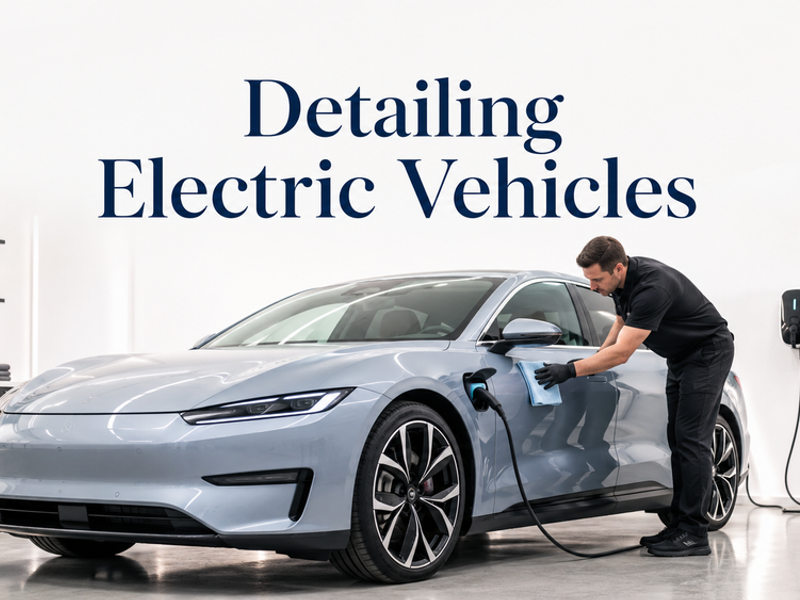
Detailing an electric vehicle involves much more than simply making the exterior paint gleam. Modern EVs feature an intricate matrix of external driver-assistance sensors, radar arrays, flush-fitting door handles, aerodynamic wheel covers, and expansive panoramic glass panels.
Inside the cabin, the differences are even more pronounced. Traditional analog dials and rugged plastics have been replaced by expansive digital displays and delicate, soft-touch sustainable materials. Consequently, aggressive multi-purpose chemicals, excessive moisture, and rough towels can permanently scratch or short-circuit these sensitive cabin technologies. If your vehicle features specialized modern textiles, it is crucial to learn proper management strategies through resources like Gleamoo’s ultimate interior detailing guide and our specialized touchscreen protection guide.
As a mobile detailer operating across Sydney, I frequently treat electric vehicles that suffer from severe solar heat degradation, abrasive road dust, acidic bird droppings, and baked-on water spots. EVs parked outside daily at apartment complexes, shopping centers, or public charging stations face rapid environmental wear. In Western Sydney's intense microclimate, contaminants can bake into the clear coat in a matter of hours, making a non-aggressive, highly systematic cleaning approach absolutely vital.
The Biggest EV Detailing Risks to Avoid
The single greatest detailing mistake you can make is treating an electric vehicle exactly like an internal combustion engine (ICE) car. While EVs are engineered to withstand driving through heavy downpours, they are not built to survive concentrated, close-range industrial water pressure.
Critical Areas Vulnerable to Water and Chemical Damage
-
High-Pressure Over-Saturating: You should never blast a pressure washer nozzle directly into the charging port door, exterior camera housings, ultrasonic parking sensors, or door handle gaskets. Concentrated pressure can breach rubber seals, forcing water into electrical junctions where it shouldn't go.
-
Harsh Chemical Degradation: Using heavy all-purpose cleaners (APCs) or highly alkaline degreasers on vegan leather, Alcantara-style faux suede, or high-gloss piano black trim will quickly cause permanent staining, stripping, or clouding. For specific guidance on managing these delicate areas safely, consult Gleamoo’s Alcantara care guide and our plastic and vinyl protection guide.
-
Abrasive Paint Scratches: Despite their advanced powertrains, the exterior paintwork on an EV requires traditional friction-free washing methods. Swirl marks, deep scratches, and UV-induced oxidation occur just as easily on an electric car as they do on a petrol or diesel vehicle. Utilizing a safe, lubricated mechanical wash is paramount, which is why we highly recommend reading up on why hand washing is still the safest car wash choice.
DIY EV Detailing Guide: A Safe Step-by-Step Process
You can safely perform a thorough maintenance detail on your EV at home by using the correct, electronics-safe tools and techniques.
Tools Needed
-
pH-neutral automotive shampoo
-
Two clean wash buckets fitted with grit guards
-
A plush microfiber wash mitt
-
Thick, high-gsm microfiber drying towels
-
A dedicated interior-safe, solvent-free cleaner
-
An ultra-soft, screen-safe microfiber cloth
-
A soft-bristled detailing brush
-
A non-acidic wheel cleaner safe for painted alloys and plastic aero covers
-
A water-based tyre dressing and foam applicator
-
A high-grade spray sealant or ceramic coating topper spray
Estimated Time: 60 to 90 minutes for a meticulous maintenance detail.
Step-by-Step Process
-
Power Down and Shade: Park your EV completely in the shade. Ensure the vehicle is locked, powered down, and not actively plugged into a charging station. Never attempt to wash an EV while it is charging.
-
Gentle Pre-Rinse: Rinse the vehicle from top to bottom with a wide-angle spray pattern. Keep the pressure washer wand at least 30–50 cm away from cameras, charging doors, side mirrors, and flush door panels. If the car is only suffering from light, superficial dust, an eco-friendly waterless method might be preferred; discover how to execute this by reviewing Gleamoo’s waterless car wash guide.
-
The Two-Bucket Mechanical Wash: Wash the body panels using the two-bucket method to isolate trapped dirt from your clean wash mitt. Always start with the roof and glass roof panels before moving down to dirtier lower sections. If you are uncertain about panel sequence, reference Gleamoo’s guide to washing a car in the right order.
-
Careful Wheel Cleansing: Clean the wheels last. Because of regenerative braking systems, EVs generate significantly less corrosive metallic brake dust than petrol cars, but they still collect heavy road film. Clean the aerodynamic plastic wheel inserts gently, as their gloss surfaces scratch very easily.
-
Dry to Prevent Water Spots: Dry the exterior immediately using premium microfiber drying towels. Do not let water sit on large panoramic glass roofs, side mirror lenses, or gloss black door pillars, as minerals will quickly etch into the surfaces under ambient heat.
-
Minimalist Interior Approach: Inside the cabin, use a strict "dry-cloth application" rule. Never spray an interior cleaner directly onto screens, buttons, or dashboard vents. Instead, mist the cleaner lightly onto a clean microfiber cloth and gently wipe the touchscreens, console, and vegan leather surfaces. Avoid soaking carpets, lower seat frames, or storage bins where high-voltage wiring harnesses are housed.
Pro-Tip: Apply Paint Protection Early
Due to their large battery packs, electric vehicles are significantly heavier than their petrol-powered counterparts. This added weight, combined with immediate electric motor torque, causes tyres to fling a higher volume of abrasive road debris, stones, and grime directly onto lower side skirts and rocker panels. Applying a premium paint sealant or professional ceramic coating creates a hardened barrier that prevents road film bonding and resists intense UV rays. For elite, long-term protection, explore Gleamoo’s ultimate ceramic coating guide.
When to Seek Professional EV Detailing Assistance
While performing routine maintenance washes at home is an excellent habit, detailing an electric car safely requires strict product selectivity and a controlled, experienced technique. If you are short on time, concerned about washing around sensitive electrical bays, or trying to safely remove deeply embedded clear coat defects, utilizing a professional mobile service is the safest choice to safeguard your investment.
For the majority of electric vehicle owners looking to reset their car's condition, our top recommendation is booking a mobile Deep Detailing package for a deep, electronics-safe interior and exterior rejuvenation. For light upkeep, a professional Waterless Wash is ideal for dust removal, while investing in Shield Protection delivers the ultimate long-term gloss and environmental defense.
Frequently Asked Questions
Can I pressure wash an electric vehicle?
Yes, but you must exercise extreme caution. Keep the pressure washer tip at a safe distance and avoid targeting concentrated, direct high-pressure spray directly at the charging port housing, external cameras, parking radar sensors, and flush door handle seals. Use a wide-angle rinse nozzle rather than a narrow, aggressive jet.
Do EVs need detailing as often as petrol cars?
Yes. An electric vehicle's exterior paint, glass, alloy wheels, and interior cabins are exposed to the exact same harsh road grime, industrial fallout, UV damage, and everyday staining as any petrol vehicle. Regular detailing is essential to prevent permanent paint etching and preserve your EV's high resale value.
Is ceramic coating worth it for an EV?
Yes, a ceramic coating is highly beneficial for an EV, especially for vehicles that are driven daily or parked outdoors. It forms an ultra-hard, hydrophobic barrier that prevents harsh road film, bugs, and water spots from bonding to the paintwork while making your weekly maintenance washes incredibly fast and effortless.
About the Author
Tipsy Batta is an automotive care expert dedicated to providing Australian vehicle owners with clear, practical, and highly accurate vehicle preservation strategies. Through Gleamoo, Tipsy delivers premium, convenient mobile detailing and ceramic protection services specifically optimized to protect advanced electric and hybrid vehicles from the demanding Australian climate.