
Author: Tipsy Batta
Estimated Read Time: 4 minutes
Why Your Car Interior May Be Dirtier Than You Think
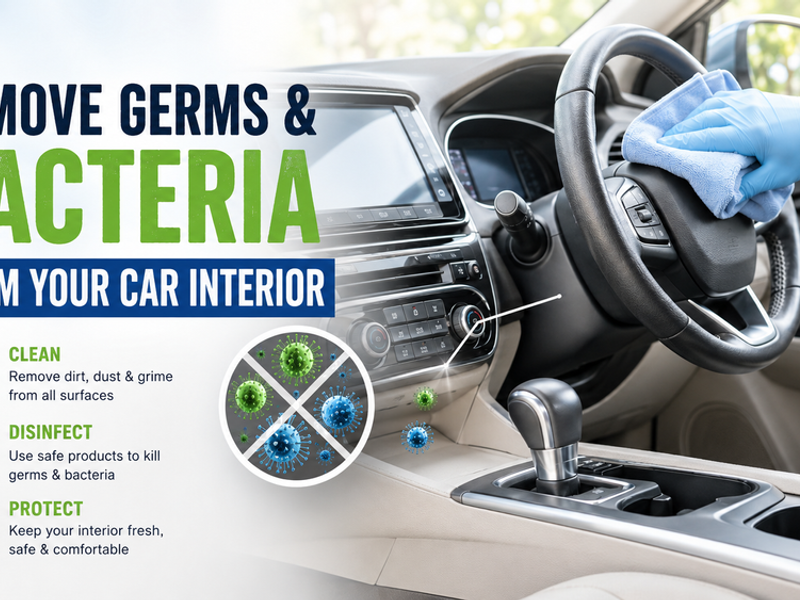
Your car interior handles a lot more than daily driving. Think about takeaway coffee, school bags, gym gear, muddy pets, kids' snacks, dust, sweat, and food crumbs. All of these combine with hands touching the same surfaces day in and day out. Over time, invisible germs and harmful bacteria build up rapidly on steering wheels, gear selectors, seatbelts, door handles, cup holders, screens, buttons, and fabric seats.
The good news is that you do not need to panic or overdo it with harsh chemicals. With a structured approach, you can make your vehicle interior feel fresher, cleaner, and significantly more hygienic. Best of all, you can do this without damaging sensitive materials like leather, plastics, Alcantara, vinyl, touchscreens, or delicate interior trims.
At Gleamoo, we believe a clean car should not just look good on the surface. It must feel completely comfortable, fresh, and safe for your daily commute.
Cleaning vs Disinfecting: The Detailer’s Difference
One of the biggest mistakes drivers make is spraying disinfectant straight onto a dirty dashboard or steering wheel. Accumulated dirt, body oils, dried sunscreen, food residue, and grime create a physical barrier. This thin layer actively shields bacteria, stopping disinfectants from making direct contact and working properly.
As professional detailers, we always approach hygiene in two distinct stages:
-
Stage 1 (Cleaning): First, clean the surface thoroughly using a dedicated cleaner to remove surface grime, skin oils, dust, and physical residue.
-
Stage 2 (Disinfecting): Once the surface is clean, apply a suitable disinfecting product to kill remaining germs. Always follow the label instructions and allow the correct chemical contact time to ensure total sanitisation.
This two-step process is vital because automotive cabins contain highly diverse materials. A hard plastic dashboard reacts differently than premium leather. A digital touchscreen requires vastly different care than a nylon seatbelt.
Alcantara and suede-style materials need even gentler handling to avoid matting the fibers. If your vehicle features these premium interior finishes, reading our Alcantara care guide will help you avoid permanent damage.
High-Touch Areas You Should Never Ignore
When we detail vehicles around Sydney, we often find that the highest bacterial hot spots are not always the most visible. Cup holders, steering wheels, door pulls, window switches, seatbelt buckles, child seat anchor points, and centre consoles collect the highest concentration of bacteria-friendly grime.
Sydney drivers frequently deal with warm coastal weather, high humidity, sandy beach trips, damp sports gear, and quick meals on the go. In Western Sydney especially, family SUVs and rideshare vehicles experience high passenger turnover. These interiors require more regular, targeted sanitisation because multiple people interact with the exact same touchpoints every single day.
For a deeper look at the hidden zones that collect dust and microbes out of sight, see our comprehensive guide on hidden car interior spots most drivers forget to clean.
DIY Guide: How to Reduce Germs and Bacteria Inside Your Car
To get professional-grade results at home, gather the correct supplies before you begin. Using the right tools prevents surface scratching and ensures proper chemical distribution.
Essential Tools and Materials
-
High-quality microfiber towels
-
Soft-bristled detailing brush
-
Vacuum cleaner with a narrow crevice tool
-
Dedicated automotive interior cleaner
-
Interior-safe disinfectant or sanitising spray
-
pH-balanced leather cleaner (if you have leather seats)
-
Screen-safe electronic cleaning cloth
-
Disposable gloves
-
Small rubbish bag
-
Optional: specialized fabric upholstery cleaner
Estimated Time Required
Allow roughly 30 to 60 minutes for a standard sedan or hatchback. Larger family SUVs, people movers, or heavily soiled work vehicles will require additional time for a thorough deep clean.
Step 1: Remove Rubbish and Loose Items
Start by clearing out old food wrappers, drink bottles, discarded tissues, receipts, kids' toys, and loose items from doors, cup holders, under the seats, and the boot. Germs, mould spores, and fungi build up rapidly around trapped food particles, forgotten spills, and damp items.
Step 2: Vacuum Thoroughly
Vacuum the seats, carpets, floor mats, under-seat areas, seat rails, around the pedals, and inside all storage pockets. Attach a narrow crevice tool to pull deeply embedded crumbs out of tight seams. This removes dry dust, abrasive sand, hair, and debris before you introduce any wet cleaning products.
If your cabin requires a complete structural reset, our interior detailing checklist explains the absolute key areas that must be covered during a deep, professional-level clean.
Step 3: Clean Before You Disinfect
Never spray chemicals directly onto electronics or delicate console plastics. Instead, spray your automotive interior cleaner onto a clean microfiber towel. Wipe down the steering wheel, gear selector, handbrake, indicator stalks, door handles, armrests, seatbelt buckles, dashboard, cup holders, and centre console.
For intricate buttons, air vents, and tight material seams, use a soft detailing brush to gently agitate and loosen the grime before wiping it away with your towel.
Step 4: Disinfect High-Touch Surfaces Safely
Apply an interior-safe, non-bleach disinfectant to hard, non-porous surfaces. Check the product label for the required "dwell time"—the duration the disinfectant must remain visibly wet on the surface to effectively kill germs before you wipe it dry.
Strictly avoid using household bleach, strong commercial chemical sprays, or harsh high-concentration alcohol directly on leather, gloss wood trims, touchscreens, and coated buttons. These aggressive liquids can dry out leather, cloud clear plastics, or permanently strip away delicate factory coatings.
Step 5: Treat Seats and Fabrics Carefully
Fabric seats hold onto sweat, body oils, spilled drinks, and environmental odours. Apply a specialized upholstery cleaner and mist it lightly. Avoid soaking the seat foam completely, as excessive moisture trapped inside cushions can cause musty smells or encourage hidden mould growth.
For leather upholstery, use a dedicated leather cleaner and a soft microfiber cloth. Wipe gently without scrubbing aggressively, as heavy friction can wear away the protective topcoat and color dye of the leather.
For more specialized care advice covering various seating materials, read our ultimate interior detailing guide.
Step 6: Dry and Air Out the Car
Open all the car doors for a few minutes in a safe, well-ventilated area, or run the car's climate control system on "fresh air mode" with the fans turned up. Ensuring every surface is completely dry is crucial, as damp environments allow bacteria and odours to return quickly.
Pro Tip: Do Not Forget Seatbelts
Seatbelts are one of the most frequently touched yet heavily overlooked parts of an interior. Pull the webbing out fully, wipe it down down with a lightly damp microfiber towel and a mild cleaner, and allow it to air-dry completely before letting it retract. Never use slippery dressings or silicone-based protectants on seatbelt fabric.
How Often Should You Clean for Vehicle Hygiene?
For everyday solo commuters, a light interior surface wipe-down every one to two weeks keeps germ counts low. Family cars, active rideshare vehicles, tradie work trucks, and vehicles used frequently after gym sessions or beach trips require more frequent attention.
For a structured long-term maintenance plan, our expert guide on how often you should detail your car interior properly will help you design the perfect routine for your specific driving habits.
Professional Mobile Car Detailing Options
DIY upkeep is fantastic for regular maintenance. However, if your vehicle is dealing with deeply embedded odours, historical spills, sticky buttons, heavily stained fabrics, stubborn pet hair, or you simply lack the spare time, professional intervention is the safest path forward.
For vehicles requiring a true hygiene restoration, the most effective choice is the Gleamoo Deep Detailing package. This service focuses heavily on deep-cleaning fabrics, extracting stains from carpets, sanitising touchpoints, and refreshing the areas that standard wipe-downs miss entirely.
If your car is already well-maintained and simply needs a routine seasonal refresh inside and out, you can easily opt for our popular Traditional Wash. Gleamoo brings fully equipped, professional mobile car care directly to your home or workplace, giving you back your time while delivering a beautifully fresh vehicle.
Frequently Asked Questions
Can I use household disinfectant wipes inside my car?
You should be very cautious with household wipes. Many contains chemicals, bleach, or high concentrations of alcohol that can dry out automotive leather, permanently fog digital touchscreens, fade colored plastics, or leave a sticky film on buttons. It is always safest to use dedicated automotive interior detailers or test any new product on a hidden spot first.
Does cleaning my car interior remove all bacteria?
No standard cleaning procedure can completely sterilise an interior to a medical-grade level. However, a thorough two-stage process—cleaning away surface oils followed by applying a safe disinfectant to high-touch points—will drastically reduce grime, eliminate odour-causing organisms, and minimise bacterial buildup.
What is the dirtiest part of a car interior?
Independent studies consistently show that the steering wheel is the single dirtiest spot in most cars, often harboring more bacteria than a public toilet seat. Other major germ hotspots include the gear selector, physical radio buttons, window switches, inner door handles, cup holders, and the driver's seatbelt buckle.
About the Author
Tipsy Batta is an automotive care expert dedicated to helping Australian drivers maintain cleaner, safer, and better-protected vehicles. Through Gleamoo, Tipsy focuses on practical car care education, professional mobile detailing standards, and delivering convenient, top-tier services that take the hassle out of vehicle maintenance for everyday car owners.