
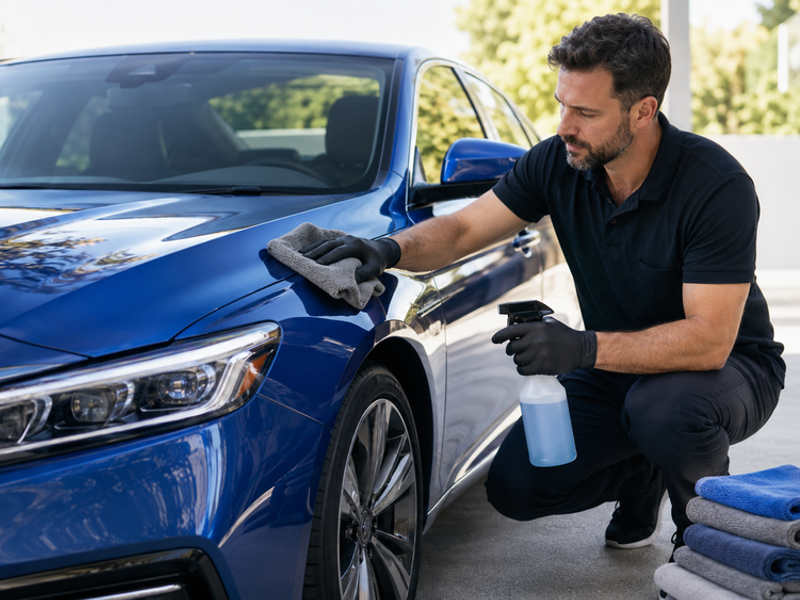
Author: Tipsy Batta
Estimated Read Time: 4 minutes
Introduction
A waterless car wash is one of the most convenient ways to keep your vehicle looking sharp, especially if you live in a Sydney apartment, face strict water restrictions, or just need a quick clean between major details. However, many car owners overlook a critical risk: not every formula sold as a "waterless wash" is safe for your vehicle's delicate clear coat.
What happens if you use the wrong product on your car paint? Using an inferior formula or improper technique will actively damage your paint, leading to micro-scratches, deep swirl marks, greasy residue, or a dull, cloudy finish over time.
Fortunately, waterless washing is highly effective and completely safe when you understand the science of paint lubrication, select the right product, and know exactly when a vehicle is too dirty for a waterless approach.
Why the Wrong Waterless Wash Product Can Damage Paint
A high-quality waterless wash product is engineered to do three specific things: emulsify surface dirt, encapsulate abrasive contamination, and provide high-viscosity lubrication so your microfiber towel can safely lift grime away without rubbing it into the clear coat. Low-grade or improper formulas often lack these advanced encapsulation polymers.
While cheap products might visually remove dust, they fail to provide an adequate lubricating barrier between the towel and your paintwork. This lack of protection is where severe paint defects begin.
If a product is too harsh, chemically unstable, overly greasy, or not formulated for automotive clear coats, it can cause:
-
Fine scratches and deep web-like swirl marks
-
Cloudy, oxidized, or dull paint finishes
-
Sticky chemical residue that actively attracts road dust
-
Severe streaking on glass and body panels
-
Drastically reduced gloss and optical clarity
-
Degradation of existing wax, paint sealants, or ceramic coatings
Choosing the right chemical formulation is just as vital as mastering the physical wipe technique. For a deeper understanding of safe waterless washing, you can read Gleamoo’s guide on the ultimate waterless car wash for Aussie drivers.
The Technical Difference: Cleaning Power vs Lubrication
From a professional detailing perspective, waterless products are evaluated by their structural lubrication rather than just their cleaning power. The primary goal isn't just removing dirt—it is lifting and suspending dirt particles completely off the surface so they cannot scratch the paint during the wipe cycle.
The Role of Surfactants and Polymers
A professional-grade waterless wash utilizes advanced, high-slickness surfactants and gloss agents. When sprayed onto a panel, these molecules surround individual grit particles, lifting them into a suspension layer. Cheap or unsuitable products often rely on harsh solvents that break down dust but fail to suspend the grit safely. When your microfiber towel moves over the panel, that unencapsulated grit acts exactly like fine sandpaper.
Paint Vulnerability
This mechanical damage is exceptionally visible on dark paint finishes—such as black, deep red, and navy blue—where microscopic swirl marks instantly diffuse sunlight, making the paint look grey and aged.
If your car is heavily soiled, covered in thick mud, caked in coastal sand, or has bird droppings baked hard by the sun, a waterless wash is never the safest choice. In these scenarios, a proper pre-rinse and multi-bucket hand wash are mandatory to prevent severe friction damage. You can compare the safest options in Gleamoo’s article on waterless vs hand car wash and paint protection.
Real Sydney Detailing Experience
Across Sydney, vehicles face a harsh combination of airborne road dust, corrosive coastal salt air, sticky tree sap, and intense UV exposure. In Western Sydney particularly, fine dust settles rapidly on vehicles parked outdoors.
I have seen numerous car owners attempt to wipe this abrasive dust away using low-quality, supermarket-grade waterless sprays and a single bath towel. The result is always the same: severe, heavy scratching across the bonnet and boot lid.
The issue isn't the concept of waterless washing itself. The damage is directly caused by using an inferior product, failing to use enough clean microfiber towels, and attempting to dry-wash a vehicle that required a dedicated pre-rinse or professional hand wash.
When You Should Not Use a Waterless Wash
Waterless washing is strictly a maintenance solution designed for removing light dust, fresh fingerprints, light road film, or fresh pollen. It is not an all-purpose replacement for traditional washing when heavy contamination is present.
Avoid waterless washing completely if your vehicle has:
-
Thick, caked mud or heavy dried dirt
-
Abrasive sand from beaches or construction zones
-
Hardened, sun-baked bird droppings
-
Sticky, crystallized tree sap
-
Heavy brake dust accumulated on lower rocker panels
-
Paint that feels rough, gritty, or heavily contaminated to the touch
For more detail on identifying these risks, see Gleamoo’s article on when a waterless car wash can damage your paint.
DIY Safe Waterless Wash Guide
Tools Needed for a Scratch-Free Finish
-
Premium automotive-grade waterless wash product (polymer-encapsulation formula)
-
6 to 10 clean, high-GSM (grams per square meter) microfiber towels
-
Dedicated, separate microfiber towels for wheels and lower rocker panels
-
Plush, clean drying or buffing towel
-
Excellent lighting (natural sunlight or a detailing inspection light)
-
Optional: Nitrile detailing gloves
Estimated Time
Allow approximately 20 to 35 minutes for a small to medium-sized car, depending on the current level of dust.
Safe Steps to Follow
1. Inspect the Paint First
Thoroughly evaluate the paint surface. If the car has heavy grime, mud, or grit, halt the process and opt for a traditional wash instead.
2. Work Panel by Panel
Focus on one localized area at a time (e.g., half a bonnet or one door panel). Do not spray the entire vehicle at once, as the product will dry out before you can safely wipe it away, leading to intense streaking.
3. Let the Product Dwell
Allow the spray to sit on the paintwork for 15 to 30 seconds. This allows the polymers to encapsulate and lift the surface dust.
4. Fold Your Microfiber Towel
Fold your high-GSM microfiber towel into quarters. This gives you eight fresh, clean faces to work with. Never use a flat, crumpled towel.
5. Wipe in Straight, Single-Pass Lines
Wipe across the panel using straight, linear motions. Avoid circular buffing patterns. Straight lines ensure that if any stray grit causes a micro-mark, it is far less visible than a circular swirl mark.
6. Use Zero Downward Pressure
Let the chemistry and the plush towel do the lifting. Pressing down forces encapsulated dirt into the clear coat, completely defeating the purpose of the product.
7. Flip to a Fresh Towel Face Constantly
After a single pass or two, flip the towel to a completely clean, unused section. Once all eight sides of a towel are spent, set it aside and grab a fresh one.
8. Save Wheels and Lower Panels for Last
The lower thirds of your doors, bumpers, and wheels carry the most abrasive, metallic grime. Use entirely separate, dedicated towels for these areas to prevent cross-contaminating your upper body panels.
9. Buff Gently to a High Gloss
Take a fresh, completely dry plush microfiber towel and buff the remaining polymer residue lightly to reveal a clean, streak-free shine.
Professional Pro-Tip: Never judge a waterless product solely by its initial gloss. Some cheap formulas rely on heavy silicone oils or fillers that temporarily mask dirt and create a shiny film, but they do not provide adequate mechanical lubrication during the wipe. Look for reputable detailing brands that specify polymer encapsulation technology, which wipes away cleanly without streaking under the intense Australian heat.
Additionally, never substitute professional products with household glass sprays, dishwashing liquid, or multi-purpose degreasers. These household chemicals strip your vehicle's protective layers and dry out delicate rubber trim.
DIY Is Great, But Know the Limit
While a DIY waterless wash is an excellent tool for keeping a garaged car immaculate, it has its functional limitations. If your vehicle’s paintwork already suffers from deep scratches, oxidation, a rough texture, or stubborn mineral stains from low-grade products, a simple spray wash cannot fix the underlying issue.
When your paint finish is already compromised, it requires professional paint correction and surface restoration. Attempting to wipe down rough or damaged paint will only exacerbate the defects. Knowing when to hand the keys over to an expert will save you thousands in paint repairs. You can learn more about preserving your vehicle's value in Gleamoo’s article on the hidden cost of neglecting regular car washing.
Professional Assistance & Call to Action
Taking care of your car’s finish shouldn't feel like a gamble. If your vehicle has light dust and you want a flawless finish without the hassle, book a professional Waterless Wash with Gleamoo.
If your car has been through heavy rain, mud, or regional road trips, our Traditional Wash provides the perfect, scratch-free safety net your paint needs. For vehicles currently suffering from swirl marks, dullness, or chemical etching caused by poor products, our comprehensive Deep Detailing service will restore that deep, showroom gloss.
To learn more about our commitment to preserving Australian vehicles with safe, expert techniques, visit the Gleamoo About Us page.
Frequently Asked Questions
Can the wrong waterless wash scratch my car?
Yes, using an inferior waterless wash can cause severe scratches. If the product lacks advanced lubricating polymers or if the vehicle is too heavily soiled, abrasive dirt particles will be dragged directly across the clear coat, creating visible swirl marks and micro-scratches.
Is a waterless wash safe for ceramic coated cars?
Yes, it is highly safe provided you use a pH-neutral, coating-compatible waterless formula on light surface dust. High-quality waterless washes can actually top up the slickness of your coating. For advanced protection advice, read Gleamoo’s guide to the ultimate ceramic coating for Australian cars.
What should I do if I already used the wrong product?
Stop using the product immediately. Give your car a thorough, safe hand wash using a dedicated automotive shampoo to strip away any remaining greasy residue, then inspect the paint under direct sunlight. If you notice new swirls, scratches, or a cloudy finish, a professional paint correction and detail are recommended to restore the clear coat safely.
About the Author
Tipsy Batta is an automotive care enthusiast dedicated to helping everyday car owners protect their vehicle investments through smarter, safer, and scientifically backed maintenance habits. Through Gleamoo, Tipsy focuses on delivering premium, highly reliable, and convenient mobile detailing solutions tailored specifically to the unique climate and driving conditions faced by Australian motorists.